
Sustainable Modern House Design in India That Saves Money Long-Term
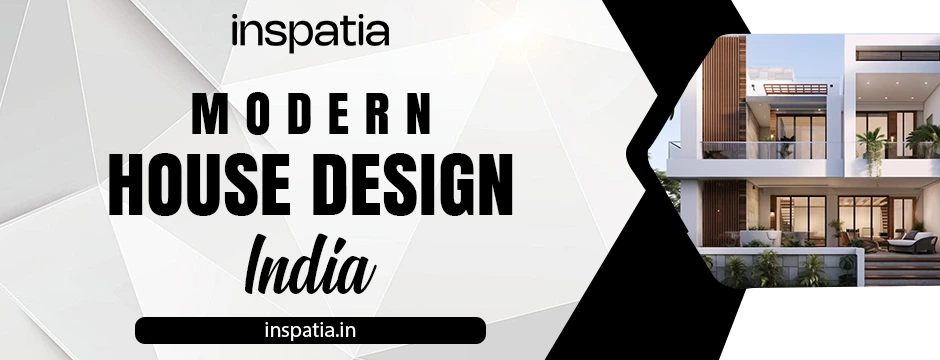
Modern homes in India are changing fast. People want houses that are stylish, comfortable, and cost-effective. Sustainable house design in India is becoming more popular because it saves money over time. A well-designed home reduces energy bills, uses water wisely, and keeps maintenance low. In addition, eco-friendly features make living more pleasant. Modern design does not mean high costs. Smart planning and material choice can make homes affordable and sustainable. People are also looking for homes that fit their lifestyle and adapt to future needs. Sustainable homes can offer comfort in all seasons.
They can also increase the resale value because buyers prefer energy-efficient and eco-friendly homes. At Inspatia, we believe that modern homes should be beautiful, functional, and kind to the environment. This blog explores ways to make your home sustainable, stylish, and cost-saving. You will learn about design strategies, materials, and smart technologies that make modern homes in India both eco-friendly and economical.
Understanding Sustainable Modern House Design
Sustainable house design in India focuses on homes that use resources wisely. The goal is to reduce energy, water, and maintenance costs. Designers consider sunlight, wind, and climate to create comfortable interiors. A sustainable home uses materials that last long and need less repair. In addition, layouts are planned to maximise space efficiency. Modern homes are no longer only about looks; they are about function and savings. Builders use renewable energy, like solar panels, to cut electricity bills. Water-saving fixtures and rainwater harvesting reduce water costs.
Furthermore, sustainable homes improve indoor air quality and natural lighting. This makes the house healthier and more pleasant to live in. Choosing the right materials and design features can significantly lower long-term costs. Sustainable residential architecture in India brings together beauty, comfort, and smart planning. It is not just a trend but a way to make homes better for families and the environment.
Sustainable Design: Save Energy and Elevate Your Home
Sustainability is not a trend; it’s smart design. Explore how modern Indian homes can reduce energy costs while elevating comfort, aesthetics, and resale value. Homes designed with sustainability in mind save money on electricity and water bills. Passive cooling, like cross ventilation and shading, keeps interiors comfortable without air conditioning. Solar panels generate electricity and lower energy bills. Well-insulated roofs and walls maintain indoor temperatures, reducing heating or cooling costs. Modern windows and glass that reflect heat also help reduce electricity use.
In addition, natural lighting reduces the need for artificial lights during the day. Interiors become bright and welcoming while saving energy. Eco-friendly materials last longer and require less maintenance. This improves the look and durability of the home. Moreover, sustainable homes increase resale value because buyers look for energy-efficient and cost-saving features. Eco friendly modern homes in India combine smart design with aesthetics. Every choice, from materials to technology, is made to save money in the long term. Good design also improves comfort. Rooms feel cooler in summer and warmer in winter. Sustainability is therefore about saving money, enhancing style, and improving living quality. Choosing a home that incorporates these ideas benefits both the environment and your wallet.
Smart Layouts and Space Optimisation for Cost Efficiency
Efficient layouts reduce energy use and make the home feel spacious. Open-plan living allows air to flow freely and keeps spaces bright. Natural ventilation reduces reliance on fans and air conditioning. Windows positioned to capture sunlight save lighting energy. Small homes benefit from multifunctional furniture that serves more than one purpose. Sliding doors and movable partitions improve flexibility. Smart layouts also reduce construction costs by using materials efficiently.
Strategic placement of rooms and spaces reduces heating and cooling needs. Energy-efficient home design in India considers these details to save money long term. Furniture, storage, and room orientation all contribute to reducing energy and improving comfort. Thoughtful planning ensures that every part of the home serves a purpose. Proper layouts also help integrate solar panels, rainwater systems, and other eco-friendly features easily. Space optimisation is not just about size but efficiency and usability.
Eco-Friendly Materials for Long-Term Savings
Choosing the right materials can save money over time. Sustainable house design in India uses durable materials that reduce repair costs. Bamboo, recycled steel, and fly ash bricks are strong and long-lasting. These materials also reduce environmental impact. Locally sourced materials are cheaper and reduce transportation energy. Energy-efficient paints and insulation help maintain comfortable indoor temperatures.
Floors, walls, and roofs made from eco-friendly materials last longer and need less maintenance. Green architecture in India focuses on materials that reduce heat absorption and save cooling energy. In addition, modern finishes and coatings help protect the home from weather damage. Materials that need little upkeep save money and time. Proper material choice is a smart investment for long-term savings and sustainability.
Renewable Energy Solutions for Modern Indian Homes
Solar panels are a major component of sustainable house design in India. They generate electricity and lower bills. Solar water heaters provide hot water without using electricity. Energy-efficient lighting, like LED bulbs, reduces energy consumption. Battery storage systems allow homes to store energy for later use. Smart home technology can manage electricity use efficiently. Renewable energy reduces dependence on the grid and saves money over time. Installing solar panels is a long-term investment with high returns.
Some homes even use small wind turbines or hybrid systems. Renewable energy solutions fit naturally with modern designs. They are eco-friendly and cost-saving at the same time. Homeowners can track energy use and reduce wastage using smart meters. Energy-efficient home design in India often includes renewable energy as a core feature.
Water Conservation and Sustainable Plumbing
Water-saving techniques help reduce bills and conserve resources. Rainwater harvesting collects rainwater for domestic use. Greywater recycling allows water to be reused for toilets and gardens. Low-flow fixtures and efficient taps reduce water wastage. Landscaping with native plants reduces irrigation needs. Proper plumbing maintenance prevents leaks and water loss. Sustainable house design in India often includes these water-saving solutions from the start.
Sustainable residential architecture in India integrates water-saving solutions during planning. Water-efficient appliances, like washing machines and dishwashers, use less water. Sustainable homes also include storage tanks and filtration systems to manage water efficiently. Efficient water use is essential for long-term savings and environmental protection. Combining smart plumbing with eco-friendly landscaping creates homes that save both water and money.
Passive Design Techniques to Reduce Energy Costs
Passive design uses natural elements to maintain comfort. Proper orientation of the house maximises sunlight and airflow. Windows, overhangs, and shades control heat and glare. Thermal mass materials keep interiors cool in summer and warm in winter. Proper insulation reduces the need for heaters and air conditioning. Green architecture in India often includes courtyards and gardens for natural cooling.
Passive design reduces energy bills significantly over time. Using natural ventilation, shading, and daylight improves comfort. Roof gardens and green facades also help maintain temperature. Homes that follow passive design principles are eco-friendly and cost-saving. Proper planning and material choice make homes energy efficient and comfortable.
Interior Design Choices That Promote Sustainability
Interiors affect energy use and comfort. Natural lighting and ventilation reduce electricity needs. Eco friendly modern homes in India use furniture made from sustainable materials. Energy-efficient appliances and LED lights save money. Paints, flooring, and finishes are chosen for low environmental impact. Interiors are designed to maximise airflow and natural cooling. Storage is planned to reduce clutter and improve space efficiency.
Choosing durable and low-maintenance furniture saves money in the long term. Proper lighting, ventilation, and sustainable materials make homes comfortable and stylish. Interiors also reflect personality without compromising sustainability. Sustainable interior design creates a healthy and pleasant living space while saving energy.
Smart Home Technology for Sustainable Living
Smart technology helps homes save energy efficiently. Thermostats and sensors control heating and cooling automatically. Lights turn off when rooms are empty. Smart meters track energy and water usage. Battery storage and solar integration improve energy efficiency. Energy efficient home design in India often uses these smart systems to reduce bills naturally. Homeowners can monitor electricity use remotely and make adjustments. Automation reduces wastage and saves money. Smart homes improve comfort and convenience without increasing costs. Technology complements sustainable design. It ensures that energy and water use remain minimal while lifestyle stays modern and comfortable.
Balancing Modern Aesthetics with Sustainable Choices
Sustainable homes can be stylish and modern. Clean lines, natural materials, and eco-friendly finishes create elegant designs. Sustainable house design in India blends aesthetics with energy efficiency. Lighting, ventilation, and space planning are combined with beauty. Interiors feel welcoming and comfortable. Green architecture in India shows that sustainability does not mean dull design. Homes can be modern, functional, and eco-friendly at the same time. Design choices like natural textures and colours improve the look of the home. Smart furniture and layout enhance the space visually and functionally. Balancing style with sustainability ensures long-term comfort, savings, and enjoyment.
Planning for the Future: Resale Value and Investment Benefits
Sustainable homes have higher resale value. Buyers prefer houses with low energy bills and efficient design. Sustainable house design in India ensures long-term financial benefits. Durable materials and smart layouts reduce maintenance costs. Energy-efficient appliances and solar panels are attractive features for buyers. Homes that save money on bills are a strong selling point.
Planning for sustainability is also planning for future comfort. Eco-friendly modern homes in India combine cost-saving, style, and environmental care. Investing in sustainable features is a smart financial decision. Homes that are energy-efficient and well-designed maintain value over time. Good planning and eco-friendly choices benefit owners and future buyers alike.
Conclusion
Modern homes in India are changing fast. People want houses that are stylish, comfortable, and practical. Sustainable house design in India is becoming more important because it saves money in the long term. Smart homes reduce electricity and water bills while keeping maintenance low. Eco-friendly features make daily living healthier and more pleasant. Good design does not mean high costs. Proper planning, smart layouts, and energy-efficient materials make homes affordable and sustainable.
Modern homes should also adapt to changing family needs. They should be bright, airy, and comfortable in all seasons. Sustainable homes offer long-term value, lower operational costs, and better resale potential. By using natural lighting, ventilation, and renewable energy, homeowners can cut bills while improving lifestyle. At Inspatia, we focus on designing homes that combine beauty, comfort, and efficiency. This blog explores ideas to make your home eco-friendly, stylish, and cost-saving.
Comments are closed.